Grip socks make a practical difference in Pilates by adding traction where your feet meet the floor, mat, or equipment, especially compared with smooth-soled regular socks. The benefit is steadier contact—not extra strength, better technique, or guaranteed protection from slipping. For your 2026 classes, choose them to solve a footing problem or meet your studio’s rules, not to make an exercise automatically more effective.
- How much difference do grip socks make in Pilates? They add traction, not strength or automatic technique improvements.
- Grip socks help keep your feet planted; a loose sock still lets your foot move inside it.
- California Grip Socks makes grip socks for Pilates practitioners who want cute designs for studio and everyday wear.
- For reformer Pilates and mat Pilates, check studio rules, sock fit, and contact with the working surface.
How much difference do grip socks make in Pilates?
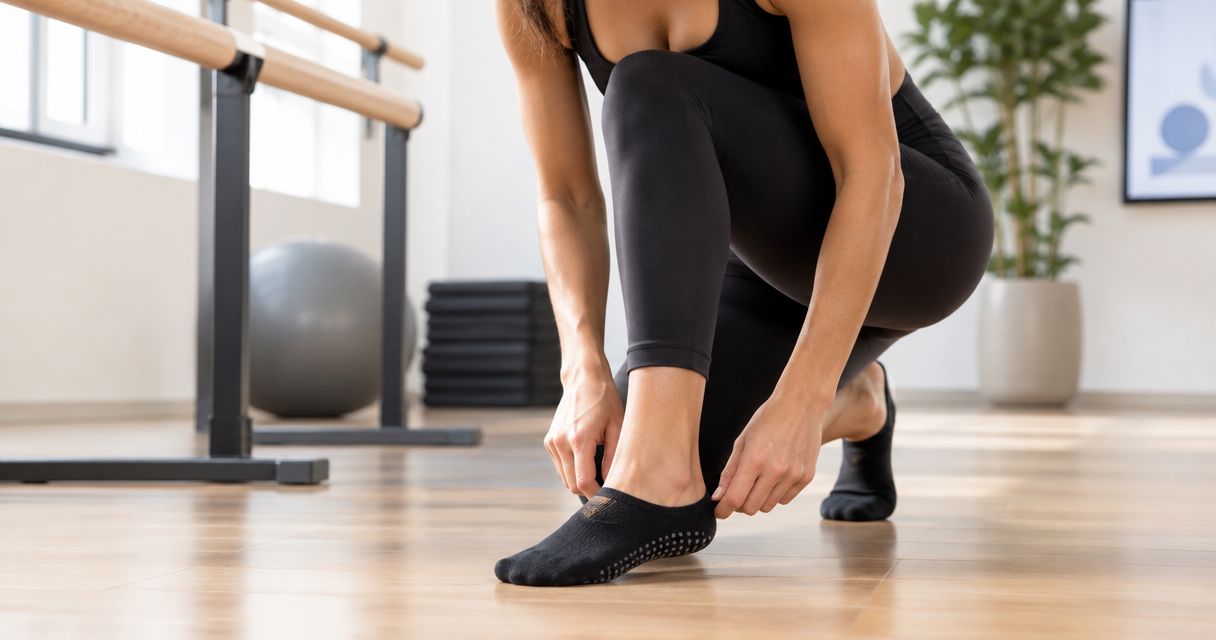
The main difference is how securely your feet contact the surface beneath them. Grip socks put textured grips between the sock fabric and that surface. That matters when smooth fabric otherwise slides instead of staying planted.
But separate traction from training. Pilates still asks you to control your movement, follow the instructor’s cues, and use the equipment correctly. Sticky grips cannot do those jobs for you.
Your starting point also changes the answer. Switching from regular socks is different from switching from bare feet on a mat that already gives you comfortable footing.
| Option | Best for | Main advantage | Main limitation |
|---|---|---|---|
| Grip socks | Sock-required classes and exercises where feet need traction | Grips add texture at the contact surface | Poor fit still lets your foot move inside the sock |
| Regular socks | Situations where sliding is intentional and your instructor permits them | Fabric allows easier sliding | Smooth soles are a poor choice when your feet need to stay planted |
| Bare feet | Mat practice where your instructor permits bare feet | Direct contact without sock fabric between foot and mat | Not an option when the studio requires socks |
There is no reason to turn that comparison into a promise about stronger abs or faster progress. Choose your foot covering for the exercise and the studio—not for an imagined performance boost.
Why this matters
Packing for Pilates in 2026 should start with your studio’s requirements. Before choosing a cute pair from California Grip Socks, check whether your class requires grip socks and whether the instructor has any guidance about fit or coverage.
That check saves you from choosing around looks alone. A sock can match your outfit beautifully and still be the wrong fit for your foot.
More importantly, repeated foot adjustments interrupt your attention. If you keep stopping to straighten the heel or move the grips back under your sole, sort out the fit before continuing. Your focus belongs on the exercise, not on wrestling with your socks.
Reformer Pilates: traction where your feet make contact
In reformer Pilates, the usefulness of grip socks depends on the exercise and the part of your foot contacting the equipment. A grip-covered sole helps only where those grips actually touch the surface.
For example, standing work puts different demands on your socks than an exercise performed lying down. If your feet need to stay planted on a platform, traction is directly relevant. If your feet are suspended in straps, the sock’s fit and comfort become more relevant than its contact with a floor.
Keep the distinction clear: the reformer’s carriage is supposed to move during many exercises. A sliding foot and a moving carriage are not the same problem.
Ask your instructor to identify what should stay still and what should move. Do not use stronger footing as a reason to change spring settings, attempt unfamiliar standing work, or skip an equipment demonstration.
Grip socks also do not secure your feet inside reformer straps. Place and use the straps as instructed; do not assume sticky soles replace correct positioning.
Mat Pilates: choose around the movement, not the outfit
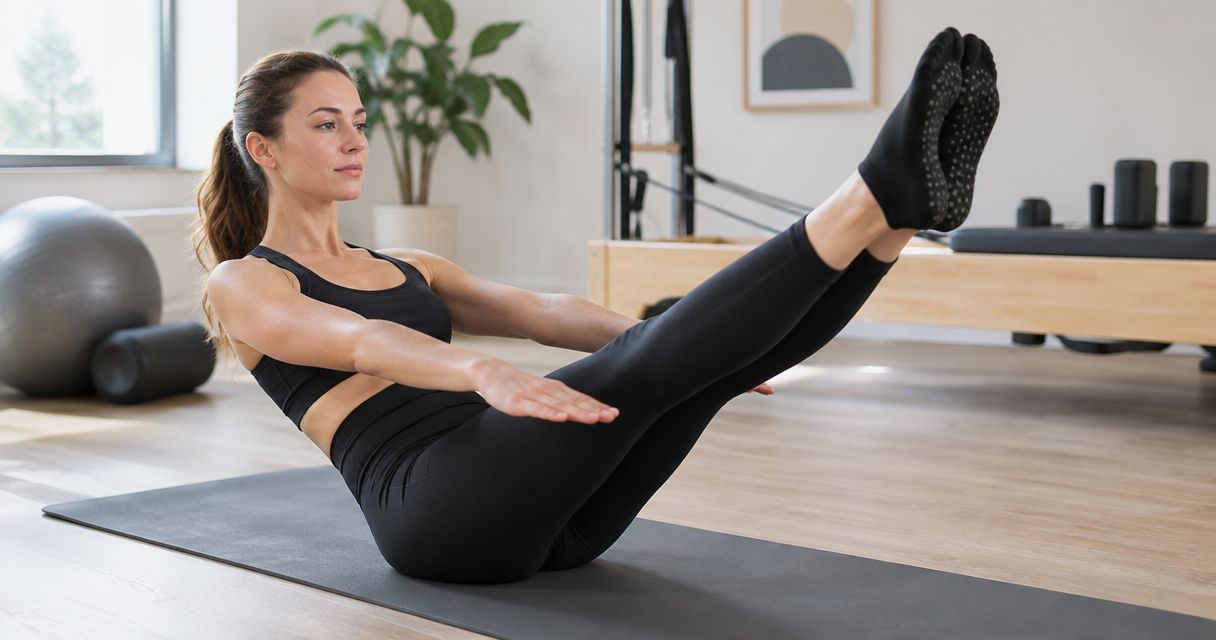
For mat Pilates, grip socks are relevant when your feet press into the mat or floor and need to hold their position. If you already have comfortable, permitted barefoot contact, the change is different from replacing slippery regular socks.
Think about a bridge. Your feet form part of your support, so secure contact matters. Now think about a lying exercise with your feet lifted: sole traction is not doing the same job there.
That does not make grip socks useless during a mat class. It means their contribution changes throughout the class, rather than improving every movement equally.
Some exercises deliberately involve sliding. Do not force a sliding movement through sticky contact. Ask your instructor whether the exercise calls for different foot covering, a prop, or another setup.
If you are building your 2026 Pilates kit, start with the class you actually attend. Reformer and mat sessions do not create identical contact conditions, and neither calls for choosing socks by appearance alone.
Why the difference varies
Grip socks do not feel identical in every exercise. These factors explain why the same pair can feel useful during one movement and less relevant during another:
- Starting footwear: Replacing smooth regular socks changes the contact surface differently from replacing bare feet.
- Working surface: A mat, floor, and equipment platform have different textures. Assess the surface you will actually use.
- Contact area: Grips need to meet the surface. Sole traction is not useful when the sole is lifted away from it.
- Sock fit: The outside of the sock can stay planted while your foot shifts inside loose fabric.
- Exercise demands: Holding your feet still and deliberately sliding them require different setups.
- Sock condition: Inspect the soles for debris, loose material, or damaged grips before class.
The simplest decision rule is also the most useful: match the sock to the contact your exercise requires. More decorative detail does not answer that question, and a taller cuff does not prove stronger sole traction.
How do you check whether your grip socks help?
Use these 3 checks before class starts. They are a fitting and setup routine, not a test of how far you can push your balance.
Fit check
Put the socks on fully and position the heel where it belongs. Smooth out folds beneath your foot and make sure the grippy sole sits underneath rather than rotating toward the side.
Your toes should have comfortable room, and the cuff should not feel painfully tight. If the sock twists or bunches during ordinary movement, reconsider the fit instead of assuming more grip will solve it.
Contact check
With your instructor’s permission, check your footing on the surface used for the exercise. Keep the movement simple and supported; do not deliberately try to slip.
Notice what is moving. Is the whole sock sliding across the surface, or is your foot shifting inside a sock that stays put? Those are different problems and call for different adjustments.
Movement check
Ask your instructor to watch the setup during an appropriate exercise. Confirm that your foot position matches the cue and that the sock is not interfering with a movement that should slide.
If you need repeated adjustments, stop and reset. Treat persistent slipping as a reason to check the setup, not as a challenge to work through.
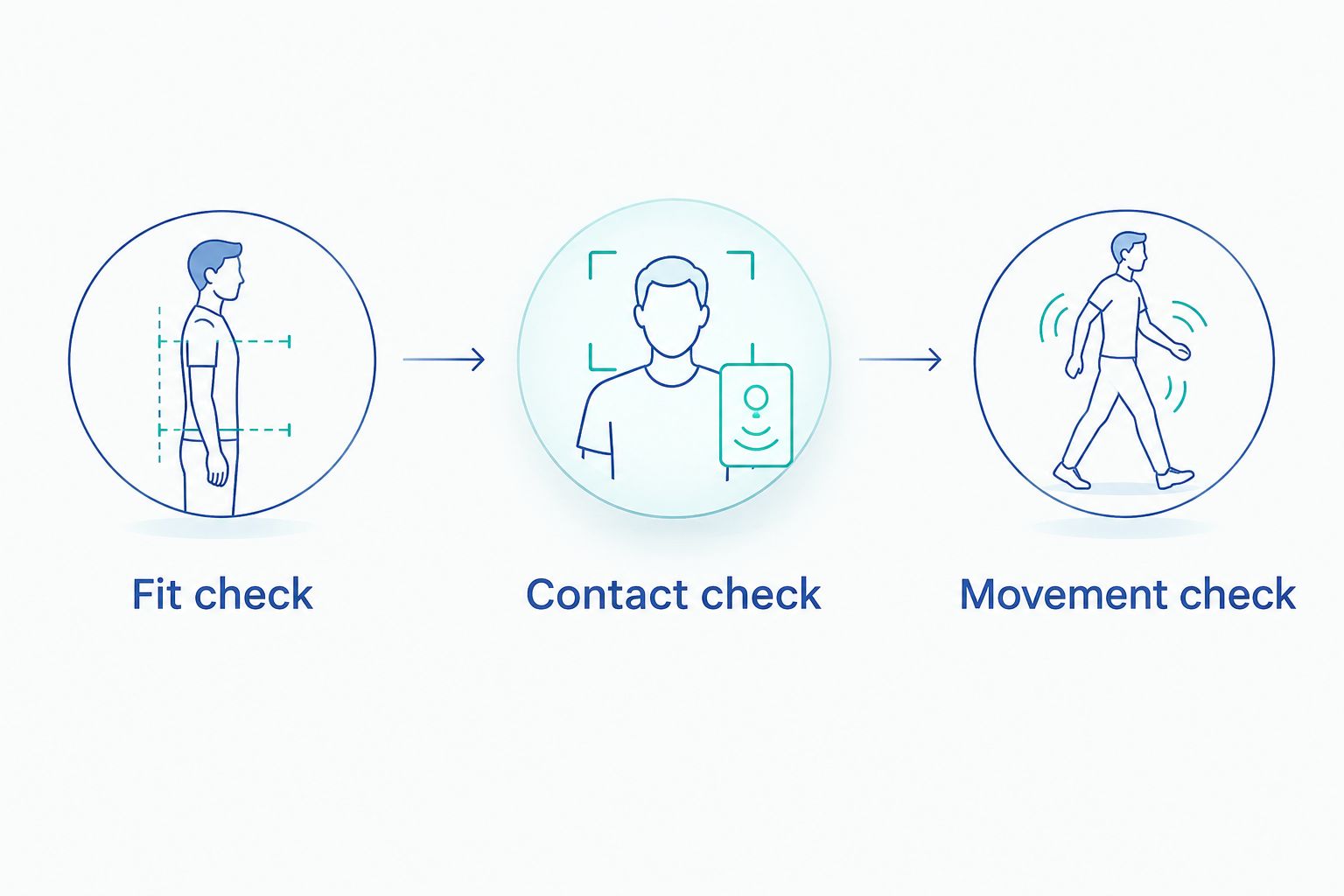
For a 2026 class bag, these checks matter more than collecting different styles. Start with 1 pair that fits your class requirements, then judge comfort and contact during the practice your instructor permits.
What should you look for when choosing Pilates grip socks?
Start underneath. Look at where the grips sit, then check how that part of the sock aligns with your foot when worn.
Next, choose a fit that stays positioned without uncomfortable pressure. Size labels alone do not tell you how a sock feels on your foot; consult the current sizing information before ordering.
Finally, pick the cuff height and design you enjoy wearing. Those are real preferences. Just keep them separate from claims about traction or exercise results.
California Grip Socks is best for Pilates practitioners who want cute grip socks designed for wear in and out of the studio. Its designs answer the style part of the decision; you still need to check fit, care instructions, and your class requirements.
That is the honest trade-off. A design you love does not establish how it performs on every surface, and the brand’s intended use does not replace your instructor’s equipment guidance.
If sole construction is your next question, read the guide to silicone grip socks. Keep your buying decision tied to the details stated for the particular pair rather than assuming every grip sock uses the same materials.
Will grip socks make my Pilates technique better?
Grip socks improve the contact setup, not your technique by themselves. You still need the movement cues, appropriate resistance, and control your instructor teaches.
If slipping was distracting you, addressing it removes that distraction. It does not prove your alignment is correct or that you should progress to a harder variation.
Are grip socks better than bare feet for Pilates?
Grip socks are the appropriate choice when your studio requires them or the exercise calls for that foot covering. Bare feet remain a separate option only where your instructor permits them.
Do not compare them by deliberately testing an unstable movement. Ask which setup suits the class and check comfortable contact within that setup.
Do beginners need grip socks more than experienced students?
Beginners and experienced students both need the foot covering required by their studio. Experience does not make a loose sock fit better or remove the need for secure contact.
For your first class, check the requirement before arriving. Then ask for help with foot placement rather than expecting your socks to teach it.
FAQ
How much difference do grip socks make in Pilates compared with normal socks?
Grip socks add traction at the sole compared with smooth-soled normal socks. The benefit matters when your feet need to stay planted, but fit and the working surface still affect contact.
Do grip socks make Pilates safer?
Grip socks provide traction, not a guarantee against slipping or injury. Follow your instructor’s setup, use equipment correctly, and stop to reset if your footing feels insecure.
Can I do mat Pilates without grip socks?
You can do mat Pilates without grip socks when your studio or instructor permits the alternative you plan to use. Check the class requirements before arriving rather than assuming barefoot practice is allowed.
Why do my feet still slide when I wear grip socks?
Your sock can slide against the surface, or your foot can move inside the sock. Check fit, sole positioning, surface contact, and the condition of the grips with your instructor.
Are California Grip Socks made for Pilates?
California Grip Socks sells grip socks designed for Pilates, Lagree, yoga, and barre practitioners to wear in and out of the studio. Check the individual pair’s sizing and your class requirements before choosing.
Should I wear grip socks for my first Pilates class in 2026?
Wear grip socks for your first Pilates class in 2026 if the studio requires them. Confirm the policy before class and ask your instructor how your feet should contact the equipment or mat.
Do taller grip socks give you more traction?
A taller cuff alone does not establish more traction under your foot. Compare sole details and fit separately from the sock height you prefer wearing.
One last thing
A sock that stays planted is not enough if your foot moves inside it. That distinction is easy to miss when shopping, because the sole gets the attention and fit becomes an afterthought.
Before your next 2026 class, check both parts of the connection: foot to sock, and sock to surface. Then let your instructor guide the movement. Cute socks belong in the routine; they do not need to carry the whole workout.